
multiple sclerosis

Camel-Derived Therapy Infiltrates Cells to Treat Multiple Sclerosis

IRP Mouse Study Shows Promise of Treatment Strategy

camel in the desert

Earth’s jungles, deserts, and oceans are chock-full of wonderous creatures that have inspired a wide array of cutting-edge technologies, from strong yet flexible clothes made of synthetic spider silk to the plant-derived aspirin and morphine that have long been used as painkillers. Over the past few years, scientists at NIH and elsewhere have added sharks and camels to that list due to unique molecules their immune systems make. IRP researchers recently showed that one of those molecules could potentially be used to treat the devastating neurological disease known as multiple sclerosis.
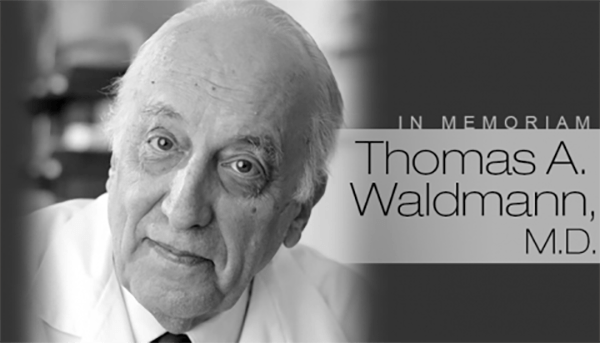
NIH Mourns the Passing of Thomas A. Waldmann

Dr. Thomas A. Waldmann

The NIH community is profoundly saddened by the recent passing of Thomas A. Waldmann, M.D., Chief Emeritus of the Lymphoid Malignancies Branch and NIH Distinguished Investigator.

Considered a giant in the field, Tom was a renowned immunologist whose more than 60-year career at the National Cancer Institute led to numerous high-impact discoveries that advanced the fields of organ transplantation, autoimmune disease and cancer. He was a leader in the study of cytokines and their receptors and of monoclonal antibodies, now a dominant form of cancer immunotherapy.

Medical Research Scholars Reflect on Their NIH Journeys

Future Physician-Scientists Spent a Year in IRP Labs

MRSP participant working in the lab

Many doctors not only treat patients directly, but also make valuable contributions to research that will improve medical care in the future. Each one of these talented ‘physician-scientists’ began his or her research career under the guidance of a more senior scientist. At the NIH, the Medical Research Scholars Program (MRSP) provides just such an experience to promising young medical students from all across the United States.

Symposium Shows Off NIH Graduate Students' Research

NIH graduate student Anahit Mkrtchian

The NIH’s main campus in Bethesda, Maryland, may have the look and feel of a university campus, but the world-renowned research institution does not grant credentials like an M.D. or Ph.D. Instead, the Graduate Partnerships Program offers graduate students from schools around the world the opportunity to complete research for their Ph.D. dissertations in IRP labs while pursuing advanced degrees from their ‘host’ institutions.

Smartphone Apps Show Promise for Assessing Multiple Sclerosis Symptoms

brain scan of a patient with multiple sclerosis

The three-quarters of Americans who own a smartphone use them not just for communicating but also keeping a calendar, playing games, scouring the Internet for funny cat memes, and — soon — maybe even evaluating their neurological health. A new study conducted by IRP and University of Maryland researchers has confirmed the potential of smartphone apps for gauging symptoms of the neurological disease multiple sclerosis.

Six Paths Forward in Biomedical Research

NIH Clinical Center

Last month I moderated our annual retreat with the NIH Scientific Directors, those individuals tasked with leading their Institute or Center (IC)-based intramural research program. We were joined by many of the IC Clinical Directors. And this year we decided to do something a little different: listen to a series of talks about exciting, new IRP research.