
healing

Synthetic Materials Influence Body’s Healing Response

Research Could Lead to New Strategies for Treating Injuries

doctor examining knee after surgery

Modern medical advances mean that many people are not “only flesh and blood.” Mechanical devices and substances created in medical labs are commonly replacing or being added to parts of people’s bodies. A new IRP study has shed light on how some of those materials might influence the body’s healing process, providing insights that could eventually spur the creation of new ones that influence the behavior of the body’s immune system and allow doctors to better direct how the body repairs itself.
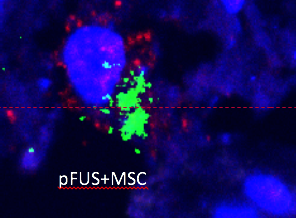
Ultrasound-Based Technique Produces Fertile Ground for Therapeutic Stem Cells

Mesencyhmal stromal cells (MSCs) releasing a therapeutic molecule called interleukin-10 (green) in a section of kidney tissue

Every good gardener knows the importance of fertilizing the soil before planting seeds, and evidence is accumulating that a similar concept applies to the human body when it comes to experimental stem cell therapies. A new IRP study has uncovered how a medical technology called pulsed-focused ultrasound boosts the healing potency of a particular stem cell treatment.

Molecular Factors Underlie Mouth’s Head Start on Healing

magnified image of skin epithelial cells

As an impatient eater, I find myself burning or biting the inside of my mouth more often than I’d like. Fortunately, these injuries tend to heal within a day or two, whereas wounds like nicking my finger with a knife or scraping my knee seem to take a week or longer to disappear. My personal impressions have now been confirmed by a new NIH study that uncovered major differences in the way the mouth and skin repair themselves, pointing to potential therapeutic targets that could speed healing.