
kidneys

A Multi-Front Effort to Combat Coronavirus

IRP Research Examines Pandemic From All Angles

scientist working in the lab

The sheer number of labs and wide variety of scientific perspectives in the IRP make it particularly well-suited to combating a disease like COVID-19, which is affecting patients’ health and the world around them in a huge number of ways. IRP researchers specializing in psychology, genetics, epidemiology, and many other disciplines are pursuing an array of strategies to learn more about the novel coronavirus.
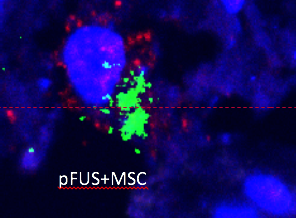
Ultrasound-Based Technique Produces Fertile Ground for Therapeutic Stem Cells

Mesencyhmal stromal cells (MSCs) releasing a therapeutic molecule called interleukin-10 (green) in a section of kidney tissue

Every good gardener knows the importance of fertilizing the soil before planting seeds, and evidence is accumulating that a similar concept applies to the human body when it comes to experimental stem cell therapies. A new IRP study has uncovered how a medical technology called pulsed-focused ultrasound boosts the healing potency of a particular stem cell treatment.

Ebola Virus: Lessons from a Unique Survivor

Ebola virus (green) is shown on cell surface

There are new reports of an outbreak of Ebola virus disease in the Democratic Republic of Congo. This news comes just two years after international control efforts eventually contained an Ebola outbreak in West Africa, though before control was achieved, more than 11,000 people died—the largest known Ebola outbreak in human history. Many questions remain about why some people die from Ebola and others survive. Now, some answers are beginning to emerge thanks to a new detailed analysis of the immune responses of a unique Ebola survivor, a 34-year-old American health-care worker who was critically ill and cared for at the NIH Special Clinical Studies Unit in 2015.