cancer

Inspirations in Science and Medicine

You never know when inspiration will strike. I still remember the day that Dr. Francis Collins came to visit my high school genetics class. At that time, Dr. Collins was the director of the Human Genome Project, an international research program aimed at uncovering the genetic building blocks essential for human life. Imagine our recent excitement when Dr. Collins, now Director of the NIH, specially attended a reception for clinical fellows at the Clinical Center.

NIH Clinical Fellows Gathering, Collins, Gallin

NIH Medical Oncology Fellow at a Glance

When I was growing up, my grandfather would visit and try to teach me thermodynamics. At the time, I thought that this was normal conversation between a grandfather and a little girl. It was several years before I realized that he was an eminent scientist in his home country. My grandfather would always ask me, “How is your science?”

Victoria Chiou at AACR

Exploring the Body’s Microcosmos

Monitoring cell movement. Examining the microenvironment of a tumor. Mapping a gene. Scientists at the NCI Center for Cancer Research (CCR)—the intramural research program at the National Cancer Institute—use a wide variety of microscopy techniques to observe and probe the otherwise invisible processes that drive cancer at the molecular level

Breast cancer cells

NIH Nurses Play Critical Roles in Cancer and Ebola Discovery

In 2007, the NIH Clinical Center (CC) established two research nursing roles that are critical to the success of the many studies undertaken at the CC. Clinical Research Nurses (CRN) are staff nurses who focus on caring for research participants, while also providing support for studies in a clinical delivery setting. Research Nurse Coordinators (RCN) are responsible for managing research studies and enormous amounts of data collection. They are in charge of recruiting and enrolling participants, maintaining study consistency, and overseeing regulatory adherence.

NIH Special Clinical Studies Unit Nurse

The Best Place on Earth

If you've been asking yourself what good your taxpayer dollars have been doing, let me tell you a story. I work at one of the most amazing places in the world. Every day I come in to work energized to see patients, to strategize how to bring new findings into the clinic and talk to brilliant scientists and physicians.

James Gulley and Patient at NIH

The Long Run

On Monday, January 26, about 150 people tackled the Arrowhead 135 ultramarathon, a race through 135 miles of frigid landscape near International Falls, Minnesota. They biked, ran, and skied for almost 70 hours in -30°F air to reach their goal.

winter runner

The Power of Vaccines Research

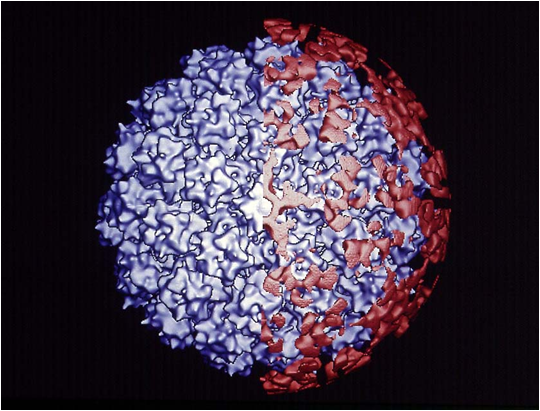
Long recognized as essential to global health, vaccines protect individuals and populations from contagion and the reappearance of eradicated diseases. Vaccination against deadly diseases prevents two to three million deaths worldwide every year, and there are significant economic benefits as well. In the United States, every dollar spent on the routine childhood immunization program saves society more than $16 in future costs.

HPV vaccine molecule

A Science Fair, All Grown Up

For the junior scientist, the poster session is a rite of passage, an opportunity to think about the big picture, and an exercise in communicating your work to a broad audience.

Subhashini Jagu

Breaking the Chains Forged in Life

In Charles Dickens’ 1843 classic, A Christmas Carol, Ebenezer Scrooge is visited by four ghosts who help him to see the error of his ways and embrace a life of service. Scrooge is then able to correct the actions that could have led to his demise. Researchers studying epigenetics take on a similar task.

Marley's Ghost