
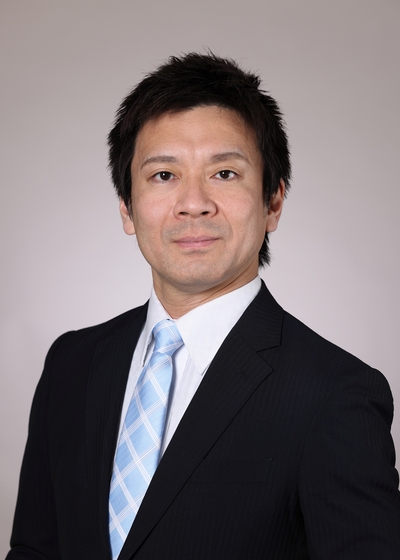
Takeo Fujii, M.D., M.P.H.
Assistant Clinical Investigator
Women's Malignancies Branch
NCI/CCR
Research Topics
OVERVIEW
My research vision is to improve survival outcomes for patients with aggressive breast cancers—including TNBC, inflammatory breast cancer, and brain metastasis—through hypothesis-driven basic, translational research, and early-phase clinical trials.
Brain metastasis affects 25–45% of patients with metastatic TNBC and carries a median overall survival of only 4–5 months. My program investigates how distinct systemic inflammatory states—rather than inflammation broadly—render the brain permissive to metastatic colonization through coordinated neurovascular and neuroimmune remodeling, and translates these insights into targeted preventive therapies, early-phase clinical trials, and precision CSF-based biomarkers for risk stratification.
RESEARCH OBJECTIVES
My research program focuses on three key objectives:
- Unraveling the role of the host macroenvironment in shaping the metastatic niche: Investigating how distinct types of systemic inflammation remodel the distant metastatic environment and contribute to the development and progression of breast cancer brain metastasis.
- Preclinical validation of therapeutic targets: Identifying and validating promising therapeutic targets through rigorous preclinical studies in clinically relevant animal models.
- Designing and leading early-phase clinical trials: Translating preclinical findings into clinical practice by evaluating the safety and efficacy of novel therapeutic interventions.
RESEARCH APPROACH
My laboratory employs innovative preclinical models that recapitulate clinical scenarios where unmet medical needs are greatest:
Deep Vein Thrombosis (DVT)–brain metastasis model: Mimics the systemic inflammatory conditions associated with DVT, reprogramming neutrophils and disrupting the blood–brain barrier to promote brain metastatic susceptibility
Stroke–brain metastasis model: Recapitulates the acute neuroinflammatory response associated with ischemic stroke, which disrupts the neurovascular unit and activates glial innate immune programs.
CSF-based biomarker development: Through my prospective clinical biospecimen collection study (NCT07619534), I collect CSF from patients with metastatic TNBC and HER2+ breast cancer who do not yet have active brain metastases, with the goal of developing a signature to identify patients at highest risk for brain metastasis development.
Using these approaches, we investigate the impact of inflammation and immune cell interactions on the brain tumor microenvironment, with particular focus on neutrophils, neutrophil extracellular traps (NETs), and microglia.
LONG-TERM VISION
My overarching goal is to establish the host macroenvironment as a principal and targetable determinant of brain metastatic susceptibility—a paradigm shift toward host-inclusive metastasis prevention. By connecting mechanistic discovery to human biospecimen science and early-phase clinical trial design, this program aims to reduce the incidence and mortality of breast cancer brain metastasis.
Biography
Dr. Fujii received his MD from Shinshu University School of Medicine in Japan and an MPH from the University of Texas Health Science Center at Houston School of Public Health, TX. During his graduate training, he served as a research assistant in the Department of Breast Medical Oncology at The University of Texas MD Anderson Cancer Center, TX.
Dr. Fujii completed internship at the United States Naval Hospital Okinawa, followed by internal medicine and medical oncology training at St. Luke’s International Hospital in Tokyo, Japan. He subsequently pursued advanced clinical training through a fellowship in the Phase I Clinical Trials Program in the Department of Investigational Cancer Therapeutics at MD Anderson Cancer Center. He then completed an internal medicine residency at the University of Hawai‘i and a medical oncology fellowship in the Translational Research Track of the joint Northwell Health Cancer Institute–Cold Spring Harbor Laboratory program in New York, where he trained in the laboratory of Dr. Mikala Egeblad.
He joined the Women's Malignancies Branch as a Physician-Scientist Early Investigator in 2022.
Selected Publications
- Adrover JM, Han X, Sun L, Fujii T, Sivetz N, Daßler-Plenker J, Evans C, Peters J, He XY, Cannon CD, Ho WJ, Raptis G, Powers RS, Egeblad M. Neutrophils drive vascular occlusion, tumour necrosis and metastasis. Nature. 2025;645(8080):484-495.
- Yoshino T, Zhang Z, Sato R, Lipkowitz S, Fujii T. Revisiting surrogacy of pathological complete response for long-term survival in triple-negative breast cancer. JNCI Cancer Spectr. 2025;9(2).
- Fujii T, Cimino-Mathews A, Lipkowitz S, Lee MJ, Nair J, Solarz BB, Zimmer A, Redd B, Levy EB, Rastogi S, Sato N, McCoy A, Steinberg SM, Lee JM. A Phase II Pilot Study of Anti-PD-L1, Durvalumab, and a PARP Inhibitor, Olaparib in Patients With Metastatic Triple-Negative Breast Cancer With or Without Germline BRCA Mutation. Cancer Med. 2025;14(23):e71220.
Related Scientific Focus Areas

Molecular Biology and Biochemistry
View additional Principal Investigators in Molecular Biology and Biochemistry

This page was last updated on Thursday, September 24, 2026