
Research Topics
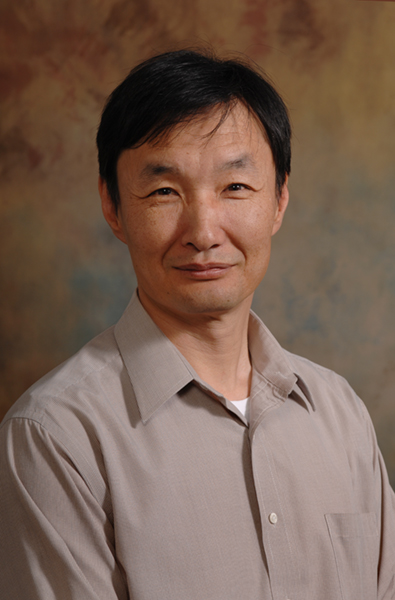
Dr. Biragyn's research focuses on deciphering the mechanisms by which dysregulation of the adaptive immune system increases the prevalence of age-associated chronic diseases. He hypothesizes that, in addition to immunosenescence, aging disrupts immune regulation, leading to the accumulation of activated adaptive immune cells that actively drive both oncogenesis and neurodegeneration. This paradigm enables him to identify and characterize novel and distinct, pathogenic B- and T-cell subsets that accumulate with advanced age. Using murine models, he directly links these specific cells to the acceleration of age-associated cancers and the clinical manifestation of Alzheimers disease. These insights he translates to develop simpler, highly targeted immunotherapeutic strategies tailored for the elderly.
Biography
Dr. Arya Biragyn earned his Ph.D. from the Institute of Molecular Biology at Engelgardt, Academy of Sciences of Russia, Moscow, in 1991. He completed postdoctoral fellowships at the University of Illinois at Urbana from 1991-1992 and the National Cancer Institute (NCI) from 1992-1996. From 1996-2000, he served as a scientist at the Science International Applications Corp. in Frederick, MD, leading the development of next-generation therapeutic vaccines for B-cell lymphomas. In 2000, he rejoined the NCI as a Staff Scientist in the Vaccine Biology Section to advance his translational cancer vaccine research. He moved to the National Institute on Aging (NIA) in 2003 as a Tenure-track Investigator in the Laboratory of Immunology. Since 2011, Dr. Biragyn has been a Tenured Senior Investigator and Chief of the Immunoregulation Section in the Laboratory of Molecular Biology and Immunology, NIA.
Selected Publications
- Bodogai M, Park B, Braikia FZ, Naqing F, Kumaraswami K, Chen C, Ragonnaud E, Stack S, Ormanns S, Günther M, Ishikawa-Ankerhold H, De S, Ferrucci L, Sen R, Duren Z, Beerman I, Biragyn A. A distinct population of CD8(+) T cells expressing CD39 and CD73 accumulates with age and supports cancer progression. Nat Aging. 2025;5(10):2055-2069.
- Bodogai M, O'Connell J, Kim K, Kim Y, Moritoh K, Chen C, Gusev F, Vaughan K, Shulzhenko N, Mattison JA, Lee-Chang C, Chen W, Carlson O, Becker KG, Gurung M, Morgun A, White J, Meade T, Perdue K, Mack M, Ferrucci L, Trinchieri G, de Cabo R, Rogaev E, Egan J, Wu J, Biragyn A. Commensal bacteria contribute to insulin resistance in aging by activating innate B1a cells. Sci Transl Med. 2018;10(467).
- Kim K, Wang X, Ragonnaud E, Bodogai M, Illouz T, DeLuca M, McDevitt RA, Gusev F, Okun E, Rogaev E, Biragyn A. Therapeutic B-cell depletion reverses progression of Alzheimer's disease. Nat Commun. 2021;12(1):2185.
- Olkhanud PB, Damdinsuren B, Bodogai M, Gress RE, Sen R, Wejksza K, Malchinkhuu E, Wersto RP, Biragyn A. Tumor-evoked regulatory B cells promote breast cancer metastasis by converting resting CD4⁺ T cells to T-regulatory cells. Cancer Res. 2011;71(10):3505-15.
- Biragyn A, Ruffini PA, Leifer CA, Klyushnenkova E, Shakhov A, Chertov O, Shirakawa AK, Farber JM, Segal DM, Oppenheim JJ, Kwak LW. Toll-like receptor 4-dependent activation of dendritic cells by beta-defensin 2. Science. 2002;298(5595):1025-9.
Related Scientific Focus Areas

Microbiology and Infectious Diseases
View additional Principal Investigators in Microbiology and Infectious Diseases

This page was last updated on Friday, September 18, 2026