
carcinoma

Creating Cutting-Edge Cancer Vaccines

IRP Research Identifies a Tantalizing Target for Cancer Immunotherapy
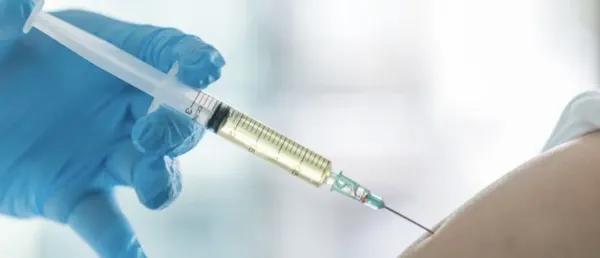
person getting vaccine injection

February 4 is World Cancer Day, a time to mark international efforts to prevent, detect, and treat cancer. Immunotherapy, one of the most significant advances in treating cancer, was pioneered here at NIH more than 30 years ago. Today, IRP senior investigator Claudia M. Palena, Ph.D., is pushing cancer immunotherapy forward with the discovery of a novel target for cancer vaccines.

A Ray of Hope for a Rare and Deadly Skin Cancer

IRP Research Leads to First FDA-Approved Therapy for Merkel Cell Carcinoma

Dr. James Gulley talking with a patient

May is Skin Cancer Awareness Month. Skin cancers are the most common cancer in the U.S., affecting as many as five million people every year. Yet the rarest of these cancers is also one of the deadliest. Merkel cell carcinoma affects about 3,000 Americans each year, and until recently a lack of effective treatments meant only half of patients survived five years or longer after diagnosis. The median survival was nine months.

This bleak outlook changed radically in 2017 with the US Food and Drug Administration (FDA) approval of a new immunotherapy drug called avelumab. Developed through a collaboration between IRP researchers and the pharmaceutical company EMD Serono, Inc., and marketed as Bavencio, avelumab was the first treatment approved specifically for Merkel cell carcinoma.